Vancouver Industrial Real Estate Market Update 2026–2027

11/25/2026
Industrial Real Estate Market Update
2026 Greater Vancouver Industrial Market Update: One Region, Two Different Markets

In November 2026, I attended the CREDA Industrial Market Update in Vancouver, where industrial developers, landlords and commercial real estate professionals shared their perspectives on current market conditions across Canada.
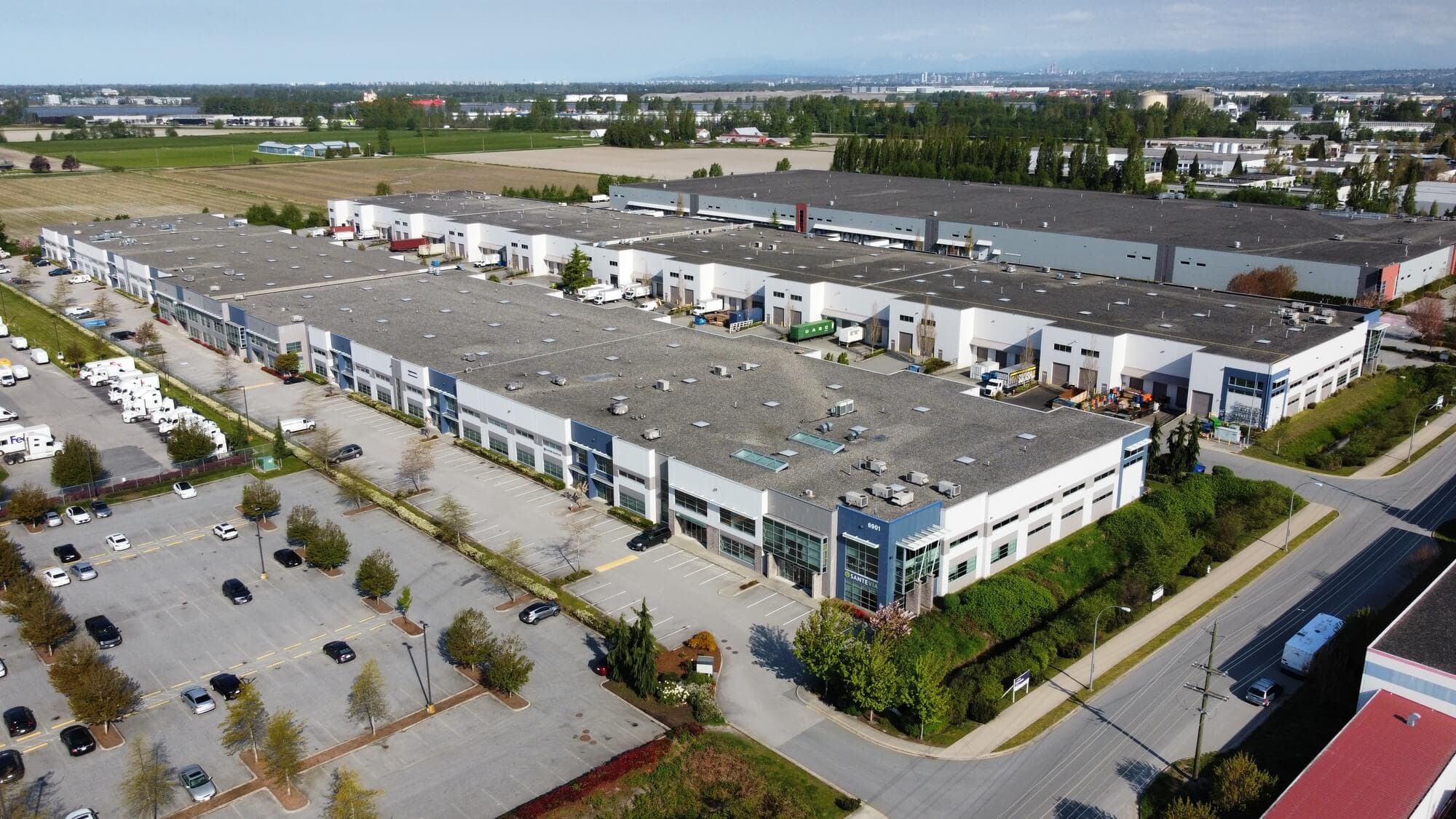
One of the most interesting takeaways was that Greater Vancouver industrial real estate market is no longer has one industrial real estate market. Instead, we are seeing two markets performing very differently: small-bay and large-bay industrial.
While certain segments are experiencing prolonged vacancies, declining rental rates and pricing adjustments, others continue to benefit from limited supply and relatively strong demand. As we approach 2027, understanding these differences will be essential for industrial property owners, occupiers, investors and developers.
Small-Bay Industrial: A Market Under Pressure
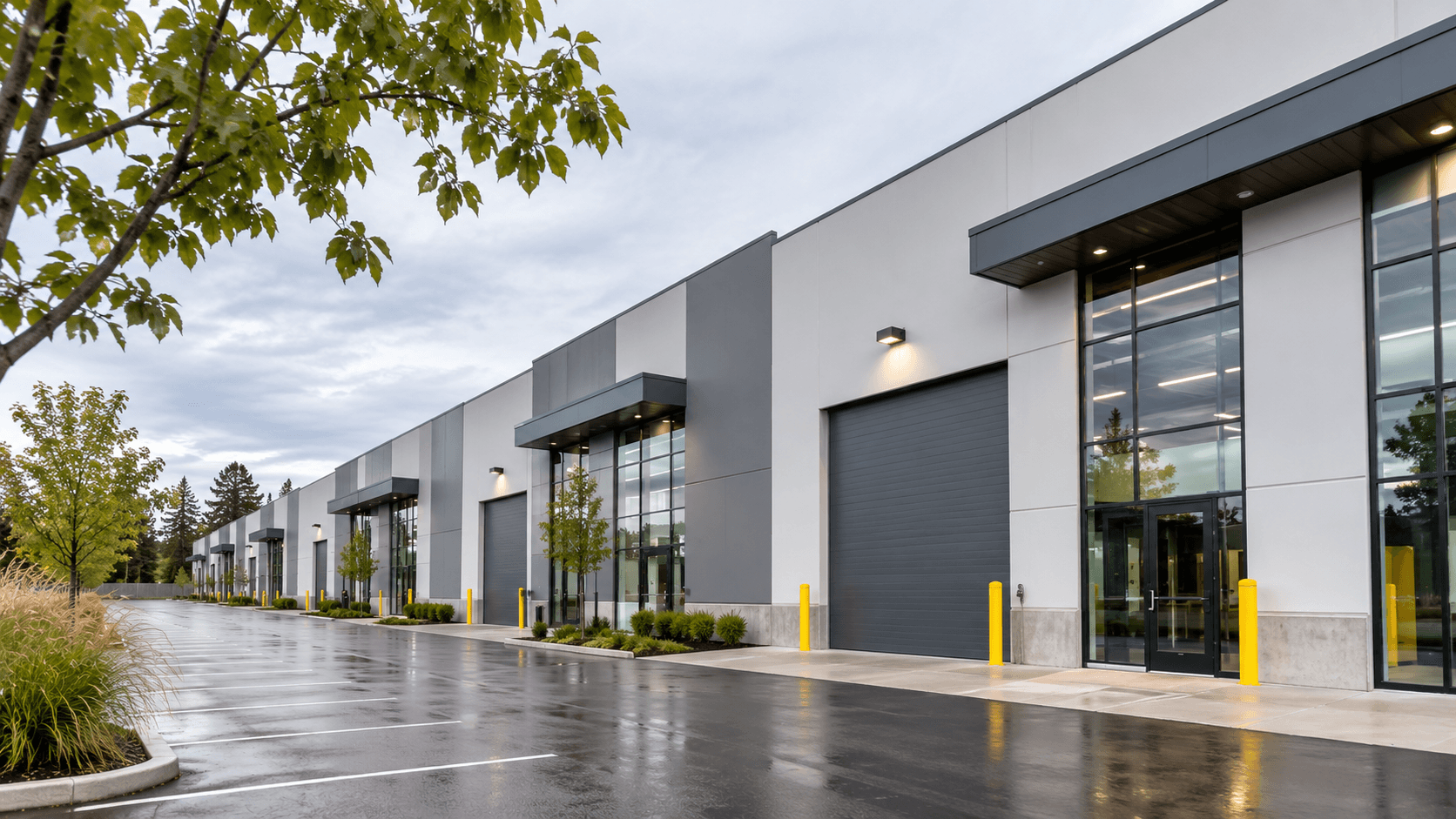
The small-bay industrial market continues to experience challenging conditions. Economic uncertainty, trade tariffs, elevated borrowing costs and slower business activity have significantly affected demand from small and medium-sized businesses.
During the event, Wesgroup reportedly indicated vacancy of approximately 20% across its small-bay industrial portfolio, with units remaining vacant for roughly one year. This is a portfolio-specific figure rather than a regional vacancy rate.
Explore Wesgroup's available commercial and industrial leasing opportunities
Industrial landlords are becoming increasingly flexible and willing to offer significant incentives to secure tenants, including:
- Reduced base rental rates
- Extended rent-free periods
- Longer fixturing periods
- Tenant improvement allowances
- Landlord-funded improvements
- More flexible lease terms
- The negotiating power has shifted considerably towards tenants compared to the market conditions experienced several years ago.
The industrial strata sales market is also facing downward pricing pressure as buyers become more cautious about financing costs, business expansion and long-term financial commitments.
For small-bay industrial property owners, competitive pricing and flexibility are becoming increasingly important to minimize prolonged vacancies and attract qualified buyers and tenants.
With the increased competition among landlords, having an effective industrial leasing strategy is becoming more important than ever.
Large-Bay Industrial: Limited Supply and Strong Demand
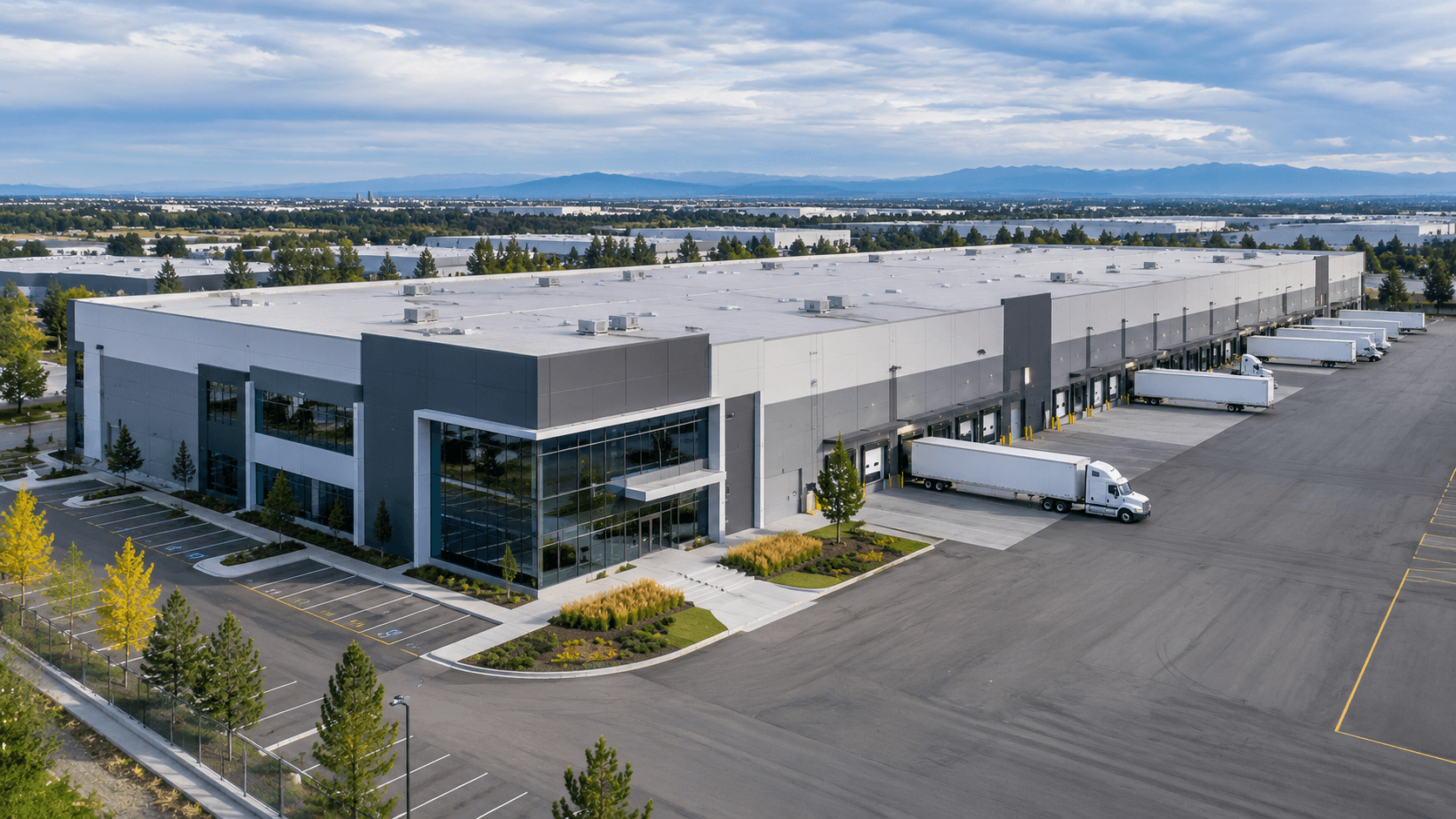
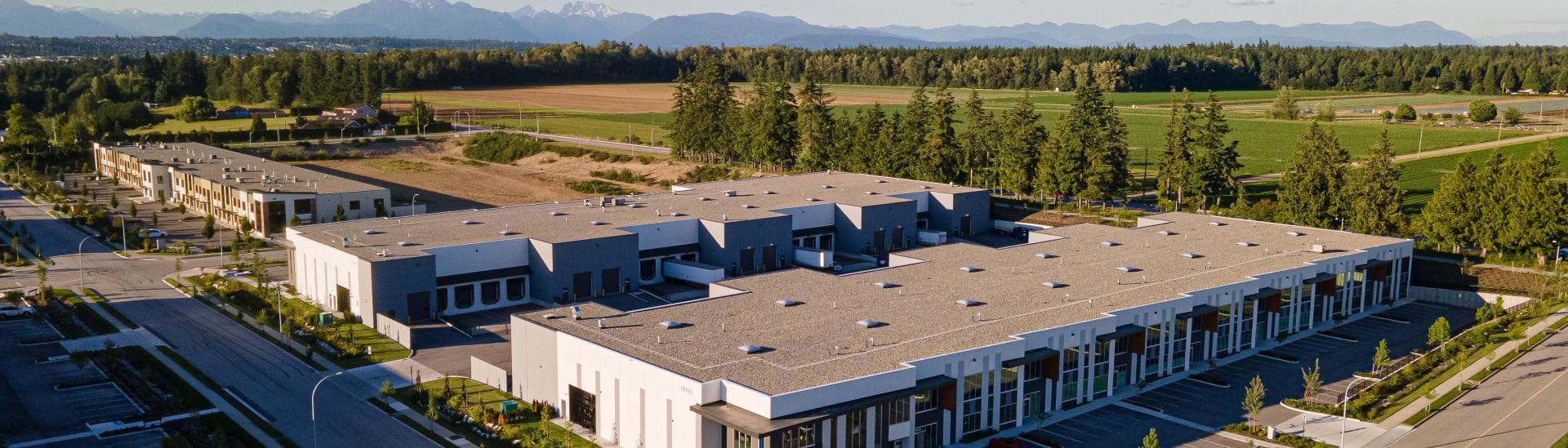
Despite the broader economic slowdown, demand for larger industrial facilities remains relatively strong, primarily due to limited availability across Greater Vancouver.
According to the panel discussion, businesses looking for approximately 100,000 square feet of industrial space that meets their operational requirements may have only two or three suitable options across the region. For requirements of approximately 300,000 square feet, the number of suitable options may be limited to one or two properties. These are illustrative estimates of suitable options, not a comprehensive count of listings.
Many larger industrial facilities are already under contract or subject to active negotiations.
As a result, developers and landlords are more comfortable maintaining their pricing expectations and are under less pressure to provide significant incentives.
While smaller industrial units face increasing competition, the shortage of suitable large-format industrial facilities continues to support the large-bay market.
For additional market statistics, refer to Colliers' Q3 2026 Vancouver Industrial Market Report
Calgary Is Becoming an Increasingly Attractive Alternative
Greater Vancouver’s limited supply of large-format industrial space is creating opportunities for other Canadian industrial markets, particularly Calgary.
Businesses requiring 100,000 square feet or more are increasingly considering Alberta due to several competitive advantages:
- Greater industrial land availability
- More affordable real estate costs
- Larger selection of modern industrial facilities
- Greater opportunities for future expansion
- More flexibility in developing large-format facilities
- During the discussion, industrial rental rates in certain Calgary market segments were reported to have increased from approximately $10 to - - - $12 per square foot over the past year, representing a 20% increase.
Calgary’s ability to accommodate larger industrial users continues to strengthen its position as a competitive alternative to Greater Vancouver.
For British Columbia, the inability to accommodate larger industrial users could have long-term implications for business retention, employment growth and economic competitiveness.
Industrial Transactions Are Taking Longer to Complete
Transaction timelines were reported during the event to be approximately 60–70% longer than previously experienced.
Businesses are taking more time to evaluate their real estate requirements, assess financial commitments and make long-term decisions.
Economic uncertainty, financing costs and concerns surrounding international trade have contributed to a more cautious approach among both buyers and tenants.
For landlords and sellers, this means longer marketing periods, extended negotiations and the need for greater patience throughout the transaction process.
Correctly positioning a property from the beginning is becoming increasingly important. Properties that enter the market with unrealistic pricing expectations risk extended marketing periods and subsequent price reductions.
An effective industrial property sales and marketing strategy can help property owners remain competitive in an increasingly challenging market.
Tariff Fatigue and Signs of Renewed Business Confidence
Some developers, landlords and real estate investment trusts reported an increase in large-bay industrial activity following the November 2026 U.S. midterm elections.
After an extended period of uncertainty surrounding tariffs and international trade policies, larger industrial users appear to be experiencing what could be described as tariff fatigue.
Rather than continuing to postpone real estate decisions indefinitely, some businesses are beginning to move forward with their expansion and operational plans.
Although economic uncertainty remains, the increase in activity could represent an early indication of improving business confidence.
Class A, B and C Industrial: The Flight to Quality
The difference in market performance extends beyond the size of industrial facilities. Building quality is becoming an increasingly important factor.
Class A industrial properties continue to demonstrate resilience and relatively strong demand, while the outlook for Class B and Class C industrial properties remains more uncertain.
With declining rental rates and greater availability in certain market segments, tenants now have opportunities to upgrade their facilities without necessarily experiencing a significant increase in occupancy costs. Businesses considering relocation or expansion can explore our featured industrial property listings across Greater Vancouver.
Businesses are increasingly prioritizing modern industrial facilities featuring:
- Higher ceiling clearances
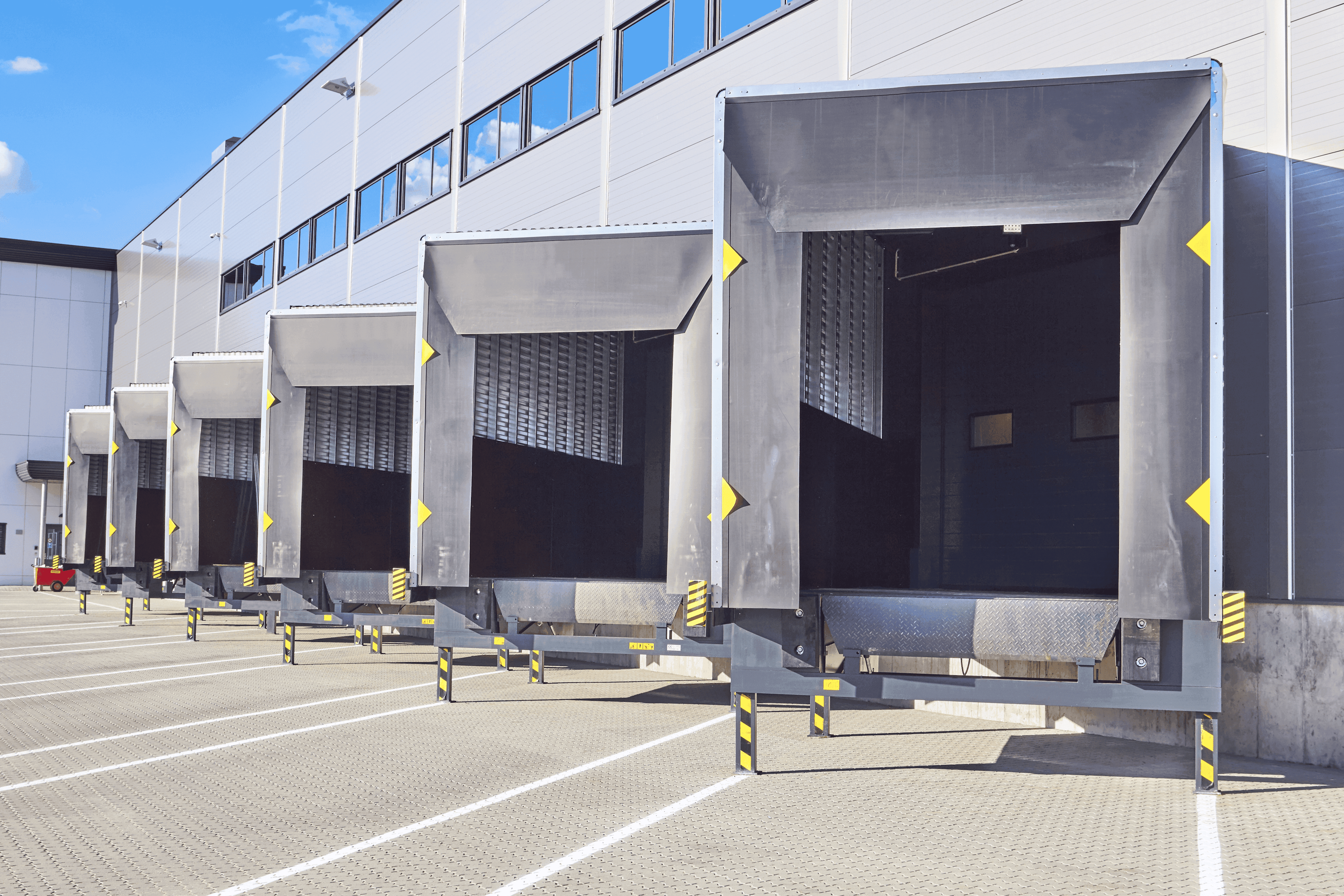
- Efficient loading configurations
- Functional warehouse layouts
- Improved energy efficiency
- Adequate electrical capacity
- Better overall operational functionality
- This creates additional challenges for owners of older industrial properties, particularly those with functional limitations.
In a competitive leasing environment, tenants will generally favour higher-quality space when the difference in occupancy costs is relatively small.
This flight to quality could further widen the performance gap between premium industrial facilities and older industrial inventory throughout 2027.
Greater Vancouver Industrial Land Prices Expected to Continue Declining in 2027
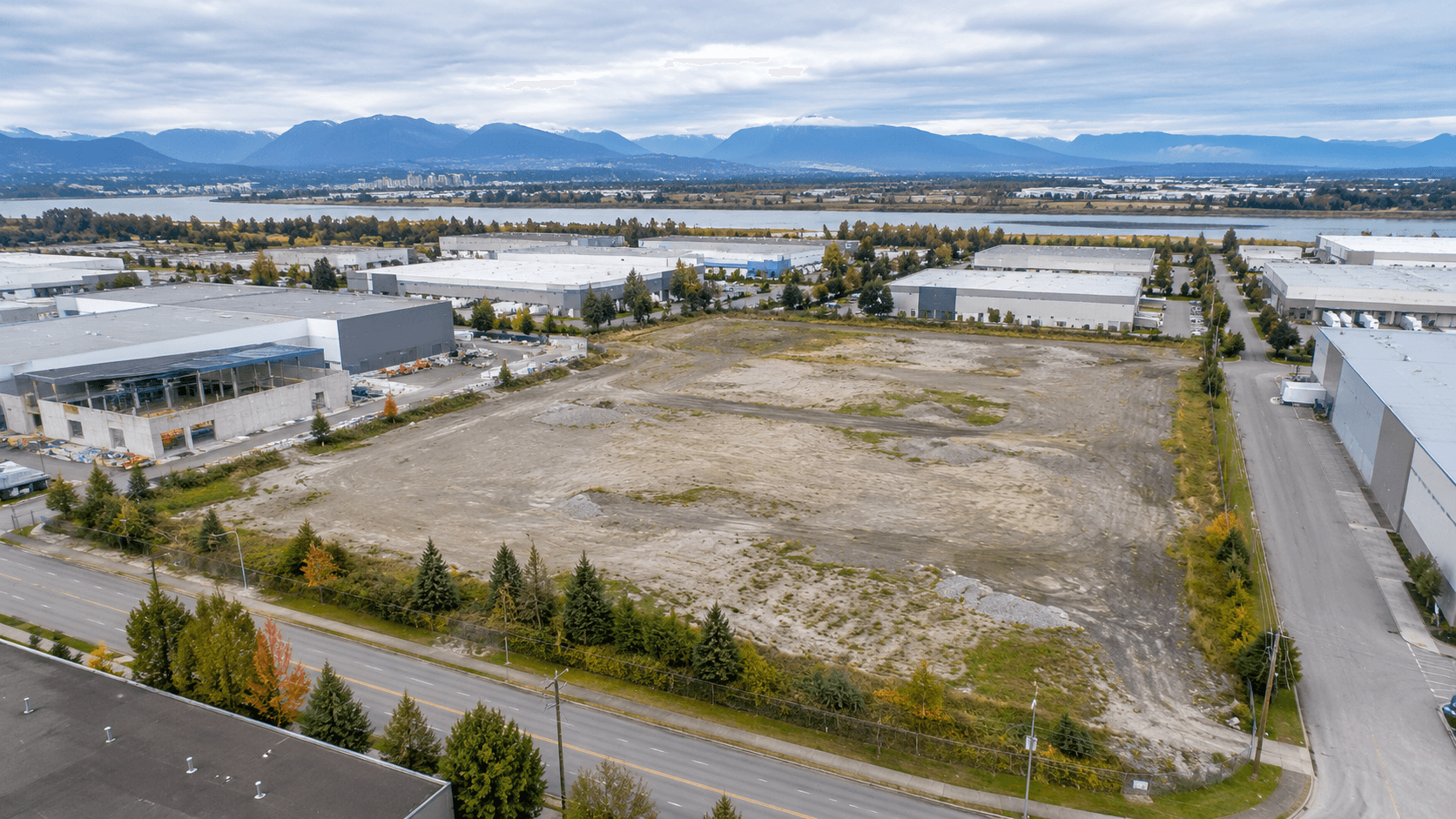
Despite the long-term scarcity of industrial land across Greater Vancouver, industrial land prices are expected to remain under downward pressure throughout 2027.
The value of industrial development land is closely tied to the market value of the finished product. As sale prices for newly constructed and existing industrial properties continue to decline, developers are being forced to reassess what they can afford to pay for development sites.
At the same time, developers continue to face significant financial pressures, including:
- Elevated construction costs
- Development cost charges (DCCs)
- Community amenity contributions (CACs), where applicable
- Municipal infrastructure and servicing costs
- Financing and holding costs
- Longer development and approval timelines
- Metro Vancouver rolled back its 2026 regional DCC increases to 2025 rates in July 2026 and reduced the planned 2027 increases. Revised rates are scheduled to take effect in January 2027. See Metro Vancouver’s development cost charges.
The economics of industrial development are becoming increasingly challenging. When the market value of the finished product declines while construction and development costs remain elevated, development margins become compressed.
Under these circumstances, land acquisition costs become one of the primary variables that developers can adjust to restore project feasibility.
Unless industrial sale prices recover or development costs decline substantially, industrial land values will likely need to adjust further to make new development financially viable.
This does not mean Greater Vancouver’s industrial land shortage has disappeared. Rather, it demonstrates that even a fundamentally supply-constrained market is not immune to changing economic conditions.
In my view, industrial development land prices will continue to face downward pressure in 2027, potentially creating acquisition opportunities for well-capitalized developers and investors with long-term investment horizons.
Industrial Development: A Shift Towards Efficiency
During the previous market cycle, many developers focused on maximizing site coverage, development density and total buildable square footage. Strong demand and rapidly increasing industrial values supported more ambitious development projects, including multi-storey industrial facilities.
In today’s market, the focus is increasingly shifting towards functionality, construction efficiency and the actual operational requirements of industrial users.
Maximizing the buildable area of a development site does not necessarily maximize its financial performance.
Developers are becoming more selective about building configurations, construction methods, project costs and the types of industrial facilities they bring to market.
The emphasis is shifting towards delivering efficient and functional industrial space at a price that businesses can afford.
Greater Vancouver Industrial Rental Rates and the Outlook for 2027
Industrial rental rates across Greater Vancouver have declined from their previous peaks, creating opportunities for businesses looking to secure new premises or renegotiate existing leases.
According to Cresa’s Q3 2026 Vancouver Industrial Market Report, net asking rents averaged $18.73 per square foot and regional availability stood at 5.6%.
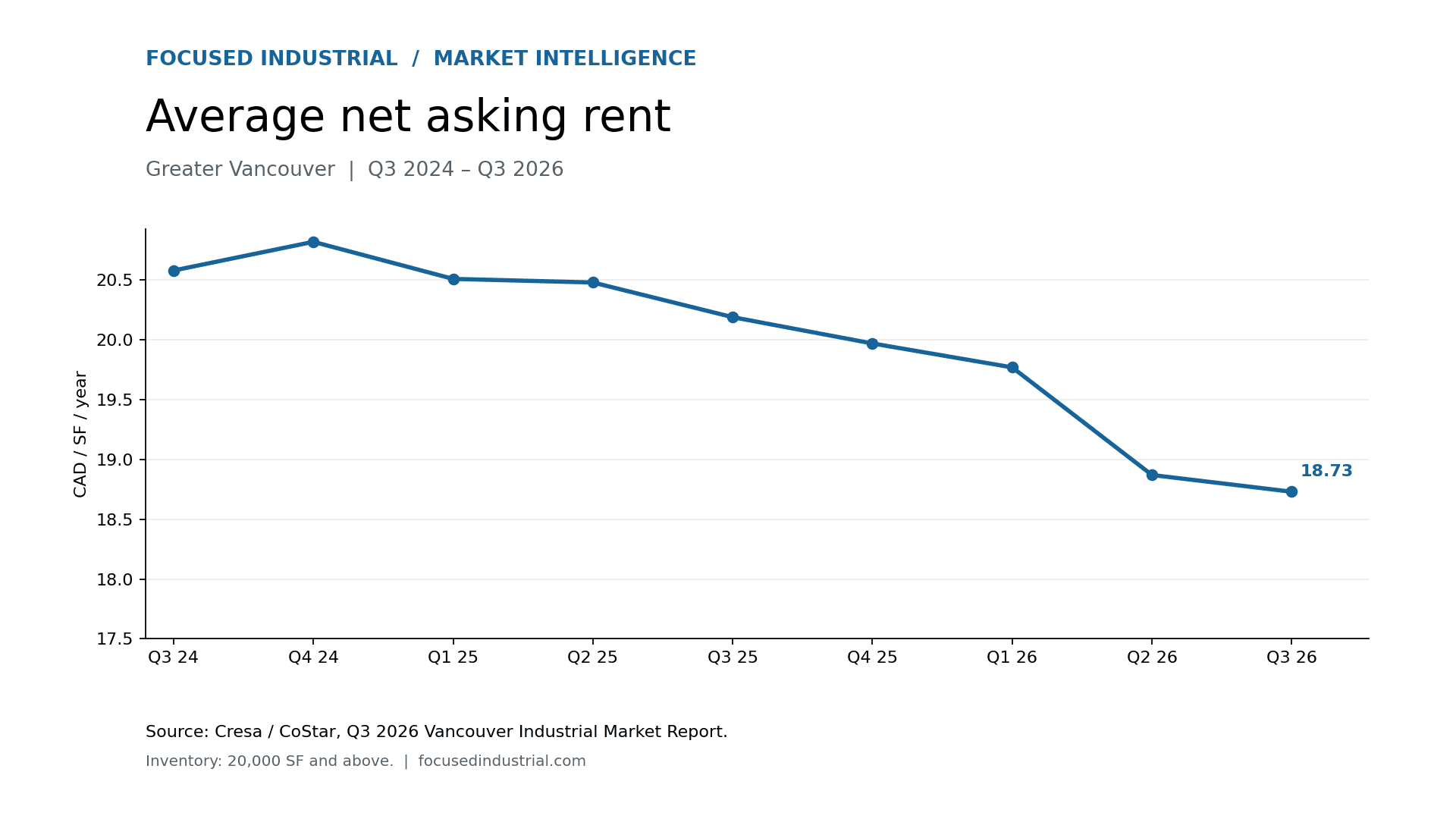
These figures reflect a market in which many landlords are continuing to compete for tenants, particularly outside the large-bay industrial segment.
However, the current market conditions may not remain indefinitely.
Limited industrial land availability, high development costs and a shortage of certain types of industrial facilities could support rental rate recovery as economic conditions improve and demand strengthens.
A slowdown in new industrial development could also contribute to future supply shortages.
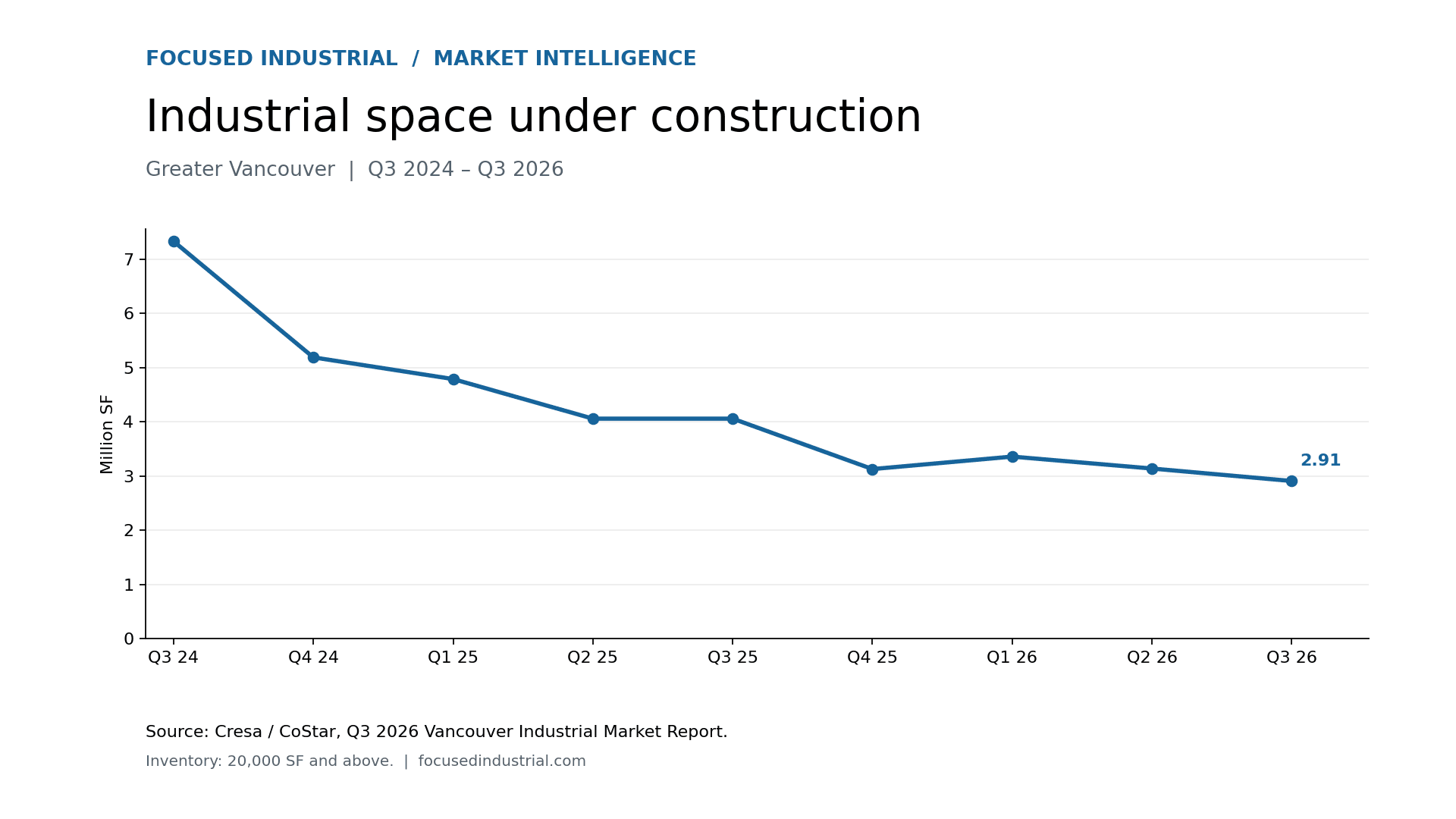
The recovery is unlikely to be uniform across all industrial property types. Large-format and high-quality industrial facilities may experience stronger performance, while smaller and less functional properties could continue facing challenges.
What Does the Current Industrial Market Mean for Owners, Occupiers and Investors?
For industrial property owners: Pricing expectations need to reflect current market conditions rather than historical market peaks. Competitive rental rates, realistic sale prices and flexibility in negotiations will become increasingly important.
For industrial tenants: The current market presents an opportunity to negotiate favourable lease terms, reduce occupancy costs, secure landlord incentives and potentially upgrade to higher-quality industrial facilities.
For industrial property buyers: Declining industrial strata prices may create opportunities to acquire properties at more attractive values compared to previous years.
For developers: Construction efficiency, disciplined land acquisition and a strong understanding of occupier demand will be critical to maintaining project feasibility.
For investors: Understanding the distinction between small-bay and large-bay industrial, as well as the quality and functionality of individual assets, will be essential when evaluating investment opportunities.
Final Thoughts: Have We Seen the Worst Yet?
The Greater Vancouver industrial real estate market is not necessarily weak or strong. It is increasingly segmented.
Small-bay industrial properties continue to face elevated competition, declining prices and prolonged marketing periods, while suitable large-format industrial facilities remain in relatively short supply.
Class A industrial space continues to attract demand, while Class B and Class C properties are facing increasing competition from higher-quality alternatives.
Industrial development land values are likely to continue adjusting as developers respond to declining finished-product values and elevated development costs.
Whether we have seen the worst of the current market cycle largely depends on which segment of the industrial market we are looking at.
As we approach 2027, the ability to recognize these differences and adjust accordingly will be one of the most important factors in making successful industrial real estate decisions.
If you are considering selling, leasing, purchasing or establishing the current market value of your industrial property, feel free to reach out or visit our industrial property valuation page.
Dmytro Chernysh